


Marna is often described as the “inner sanctum” of Siolim. While the main thoroughfares of North Goa have become synonymous with energy and movement, Marna has remained remarkably composed. It is a place where the geography creates a natural barrier against the bustle, offering a lifestyle defined by privacy, heritage, and a profound connection to the land. This guide explores the layers of Marna, from its ancient legends to its modern status as the premier residential choice for those who value quiet luxury.

The Legend of the Lion’s Village
The history of Marna is inextricably linked to the broader story of Siolim, a name derived from the Konkani words Xinv (Lion) and Halli (Village). Local lore suggests that these hills were once the prowling grounds of lions – ancient communities and tribes in this region may have encountered these ferocious, regal creatures in the tropical hills of Marna. The name is a reminder of the raw, untamed majesty of this village, before it became the aristocratic hub it is today.
In later years, as global trade blossomed, shipping routes brought new cultures to Goa’s shores. Marna specifically played an interesting role at this time.
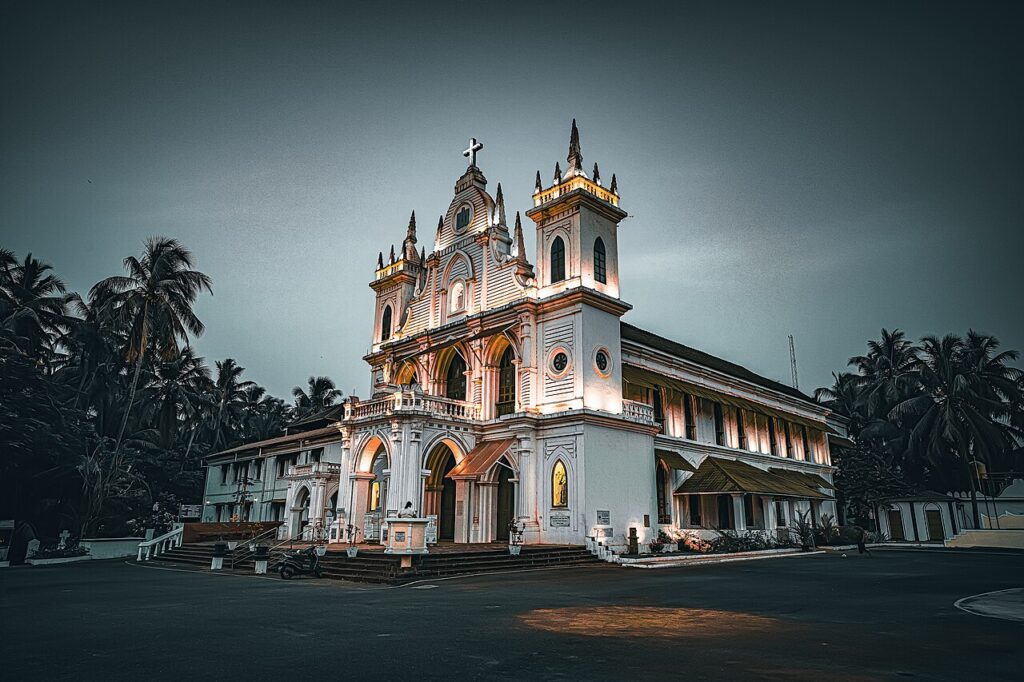
In the 17th century, Portuguese merchants caught in a perilous storm on the Arabian Sea vowed to build a church wherever they found safety. Their ship eventually drifted into the mouth of the Chapora River and docked on the banks of Marna. This event led to the establishment of the original St. Anthony’s Church in 1630. Today this church sits right beside the iconic crossroad where Marna and Siolim meet, and is an established landmark visited by many travellers and locals.
While Siolim has grown into a vibrant town, Marna has retained the quiet, reverent atmosphere of that original landing site, tucked away in the folds of the valley.

The Ghol Hills: A Natural Micro-Climate
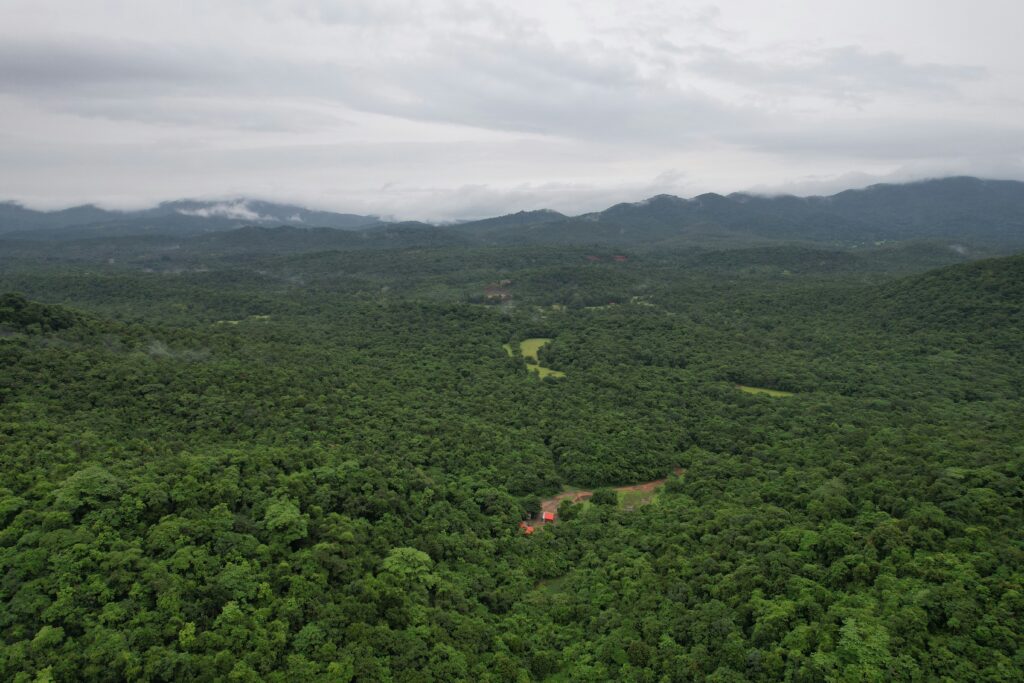
The geography of Marna is its greatest luxury – and it is a truly unique “goldilocks zone” creating a picture-perfect tropical paradise. Unlike the flat, humid coastal plains, Marna is cradled by the “Ghol” hills. This elevated topography creates a distinct micro-climate; the hills act as a natural amphitheatre, capturing cool breezes and providing a canopy of ancient teak, cashew, and mango groves.
Living here feels like being in a natural temperature-controlled environment. The air in Marna is often notably cooler than in the surrounding beach belts, and the density of the foliage provides “forest bathing” opportunities right at one’s doorstep. The soil, a rich red laterite, is exceptionally fertile, contributing to the lush, emerald vistas that define the village throughout the year. No doubt this is why, for centuries, agriculture has thrived in the region – with expansive paddy fields still covering swathes of land in the village to this day. The wildlife too is truly stunning as a result of this micro-climate.
The Architectural Lineage: From Sobrados to Modern Manors
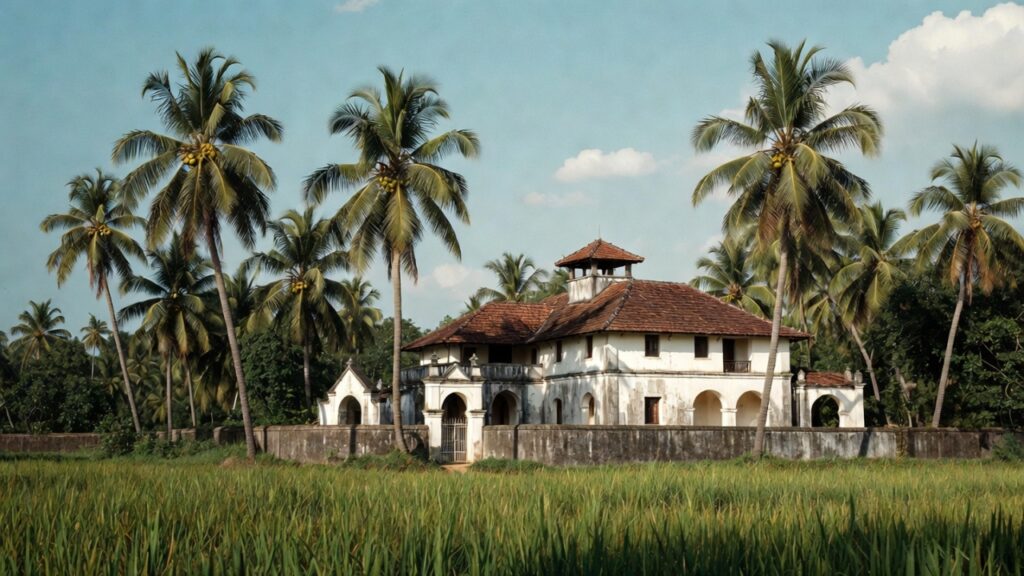
Architecture in Marna is a dialogue between the past and the present. The area is famous for its grand “Sobrados” – stately Indo-Portuguese manor houses with high ceilings, oyster-shell windows, and expansive balcãos (porches). Beyond the homes, the architectural marvels also extend to marvelous structures like the St. Anthony Church, with its ivory-white facade and twin steeples. It remains the area’s most iconic landmark, symbolizing the 17th-century craftsmanship that defined Goan architecture.
Today, this heritage is being reinterpreted by a new wave of modern manors and lavish apartments. These contemporary residences draw inspiration from the scale and materials of the old “casas,” utilizing local materials and expansive open layouts to ensure natural ventilation. It is an architectural evolution that respects the history of the land while providing the sophisticated amenities expected by a discerning modern audience.
The Connoisseur’s Map: Curated Proximity
Marna offers the rare luxury of being “near everything, yet far from everyone.” Below is a curated list of key destinations for a refined lifestyle.
| Category | Destination | Distance | Drive Time |
| Boutique Dining | Gunpowder (Assagao), Hosa, or Villa Nova | 2 – 6 km | 5 – 10 mins |
| Yachting & Water | Chapora River, Mandovi River | 5 – 30 km | 10 – 50 mins |
| Sun & Serenity | Morjim & Ashwem Beaches | 9 km | 20 mins |
| Wellness | Manipal Hospital / Boutique Clinics | 7 – 22 km | 15 – 40 mins |
| Elite Education | Sharada Mandir (Panaji) / Ardee School (Sangolda) | 10 – 18 km | 20 – 40 mins |
| Connectivity | Manohar International Airport MOPA (GOX), Dabolim International Airport (GOI) | 28 – 41 km | 40 – 70 mins |
The Marna Seasonal Calendar
For those who call Marna home, the passing months are marked by sensory shifts rather than just temperature changes.
- February – April (The Cashew Bloom): The hills of Ghol Marna are filled with the heavy, sweet scent of cashew blossoms. This is the season of Urrak and traditional harvests, where the village feels most connected to its agrarian roots.
- May – June (The Firefly Theatre): Just before the monsoon breaks, the high humidity in the valley creates a magical display as thousands of fireflies illuminate the forests and fields at dusk.
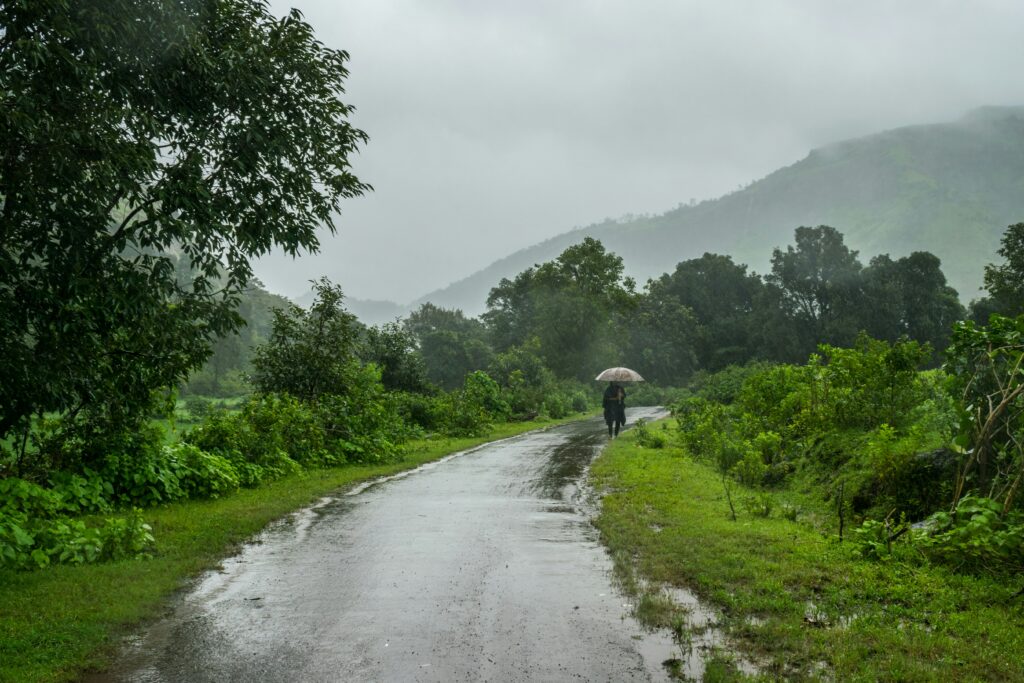
- July – September (The Emerald Silence): While the coast can feel grey and turbulent, Marna turns a vibrant, impossible green. It is the best time for “monsoon walks” through the village lanes, where the only sound is the rain on the leaves and the air smells of wet mud.
- November – January (The Migratory Corridor): The cool winter months bring the Malabar Pied Hornbill and the Paradise Flycatcher to Marna’s canopy. The low humidity and clear skies make this the peak season for outdoor leisure and birdwatching.
The Hidden Trail: The Ghol Sacred Walk
To truly understand Marna, one must walk its “inner circle.” This trail avoids the tourist maps and focuses on the village’s private landmarks.
- St. Sebastian Chapel: Start at this 19th-century chapel, the spiritual heart of the Marna comunidade. It is significantly more private than the main parish church and offers a glimpse into the local Catholic heritage.
- The Heritage Banyan: A few hundred metres from the chapel, on an old estate road, stands a massive Banyan tree with a spread of nearly 30 metres. It has served as a landmark for generations and is a perfect spot for quiet reflection.
- Shri Datta Mandir (Ghol Marna): Follow the road deeper into the hills to find this temple dedicated to Shri Dattatreya. Tucked away from all traffic, it is renowned among locals for its absolute silence and spiritual energy.
- The Sunset Frame: The back-lanes of Marna offer an elevated vantage point over the Chapora River tributary. Unlike the crowded Siolim Bridge, this “insider” spot allows you to watch the sunset over the water in total solitude.
Frequently Asked Questions
Marna has seen a steady appreciation of approximately 12% annually. Its status as a residential-only zone, protected from the commercial noise of the coastal belt, makes it a highly desirable “blue-chip” location for long-term value.
With the completion of the new link roads, Manohar International Airport (Mopa) is a comfortable 45-minute drive (approx. 28 km), making it ideal for frequent travellers.
Yes, the neighbouring village of Assagao (an 8-minute drive) is home to several boutique pickleball clubs and wellness retreats, while the Chapora River offers facilities for private yachting and kayaking.
Due to its proximity to the Ghol hills and its higher density of old-growth forest, Marna experiences a “valley effect” that keeps the temperature slightly lower and the air quality significantly higher than the more built-up areas of North Goa.