


If you’re on our blog, you’ve probably been researching Goa’s luxury real estate market for some time. And you must have noticed a common thread across developments in this little state’s increasingly limited land. Everyone is trying to extract the maximum value from every square inch.
Modern Goan residential developments are increasingly designed around scale. But our focus is on a different kind of luxury. One defined by limited inventory, thoughtful planning, privacy and the enduring appeal of owning something that cannot easily be replicated.
For the Select Few
Not just Goa, across the top global residential destinations, there is a growing appreciation for developments that deliberately limit the number of homes they create. Rather than maximising the number of residences accommodated within a parcel of land, these developments place greater emphasis on space, privacy and the quality of the overall living environment.

It is a shift in perspective that challenges the conventional approach to residential development. Because in the world of considered luxury, having fewer residences is not necessarily a limitation. When supported by thoughtful planning, it can become one of the property’s most defining attributes.
The Economics of Limited Supply
In real estate, location has always been fundamental to desirability. However, the availability of land in established, sought-after neighbourhoods introduces another important consideration: genuine scarcity.
Prime residential locations are finite.
Their geographical advantages, established surroundings and proximity to everyday conveniences cannot simply be recreated elsewhere. As neighbourhoods mature and development opportunities become increasingly constrained, well-positioned properties can acquire a distinct significance.
This is particularly relevant in destinations where buyers seek a combination of natural surroundings, connectivity and established lifestyle infrastructure. The availability of residential land in such locations is inherently limited, making the decisions developers take around its utilisation especially important.

However, scarcity alone does not create value. A development with limited inventory must also offer substance through its architecture, location, construction quality and planning. The distinction lies between artificial scarcity, created through marketing, and genuine scarcity arising from characteristics that are difficult to reproduce.
For those who know, it is this latter form that holds a more compelling appeal.
Land Is Finite, but Development Choices Are Not
Every residential development begins with a finite piece of land. What follows is a series of decisions that ultimately determine the character of the property.
How many residences should occupy the site? How much space should be allocated to landscaping? How should the buildings be positioned to maximise natural light, ventilation and privacy? How can communal facilities be integrated without compromising the sense of openness?
These decisions have a lasting influence on how a development is experienced.
In markets where maximising built-up area often takes precedence, the opportunity to create a more restrained residential environment becomes particularly distinctive. A developer who chooses not to utilise every available portion of a site for additional inventory is making a conscious decision about the kind of living experience they wish to create.
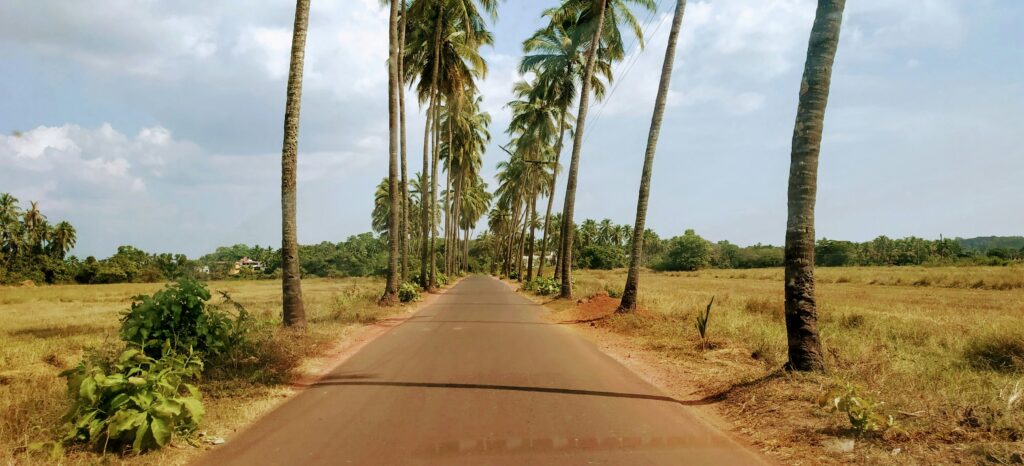
This approach allows greater consideration for architectural proportions, landscaped spaces, circulation and the relationship between individual residences and their surroundings.
Ultimately, the value of a site should not be measured solely by how many homes it can accommodate, but by how thoughtfully those homes are planned.
Low-Density Living: The Luxury of Having Room to Breathe
Perhaps the most tangible advantage of limited-supply residential developments is the experience of low-density living.
The number of residences within a community influences far more than its overall appearance. It affects how residents interact with shared facilities, how much privacy they enjoy and how comfortably the development accommodates everyday life.
Consider a swimming pool, a landscaped terrace or a wellness facility. While these amenities may be identical across two developments, the experience of using them can differ considerably depending on the number of households sharing them.
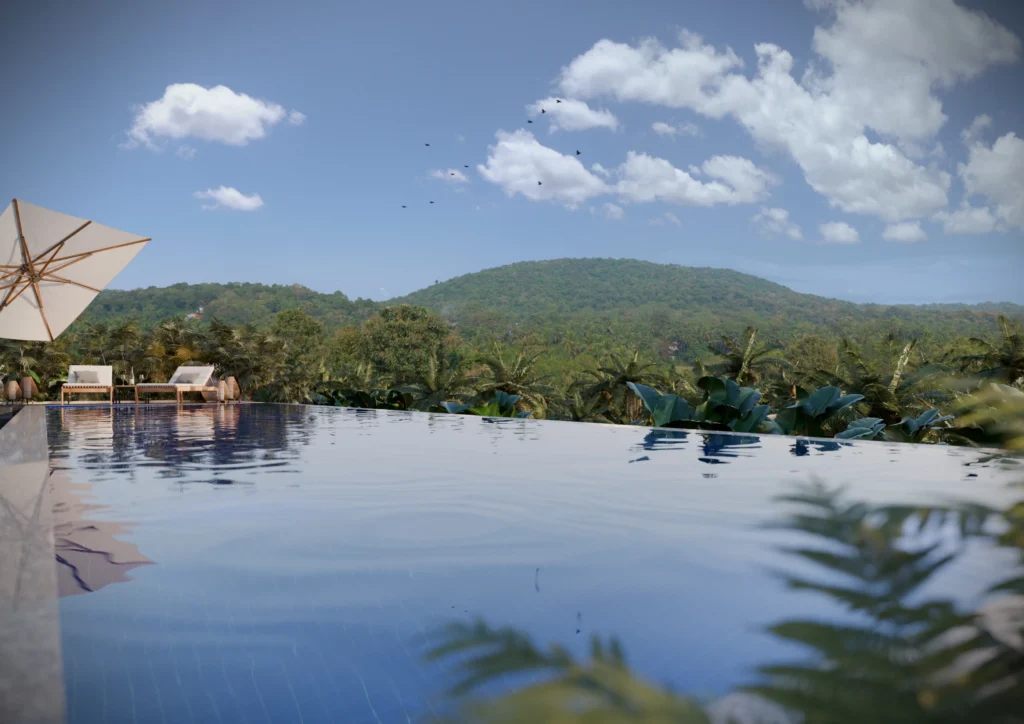
A smaller residential community offers the opportunity for a more intimate environment, where shared spaces are not constantly competing for capacity. Circulation can feel less congested, communal areas can retain a greater sense of calm, and the relationship between private and shared spaces can be more carefully considered.
There is also a quieter advantage to this approach. Fewer residences can contribute to a more private atmosphere, allowing homeowners to enjoy the benefits of a residential community without feeling surrounded by the activity of a much larger complex.
For those who value their personal space, this distinction can be significant.
Exclusivity Beyond the Address
Exclusivity in luxury real estate is often associated with prestigious neighbourhoods, impressive architecture and premium price points. Yet, the experience of exclusivity extends beyond the address itself.
It is also shaped by the nature of the residential community one becomes part of.
Smaller developments can create an environment that feels more personal and less institutional. With fewer households, there is an opportunity for a more considered balance between community living and individual privacy.
For homeowners who divide their time between multiple residences, this becomes particularly relevant. They may appreciate the convenience and security of a managed residential community, but prefer an environment that does not replicate the density of a conventional urban apartment complex.
The appeal is not necessarily about isolation or keeping others out. Rather, it is about having the freedom to engage with one’s surroundings on one’s own terms.
In this context, exclusivity becomes less about making a statement and more about enjoying a residential experience that feels personal, private and thoughtfully proportioned.
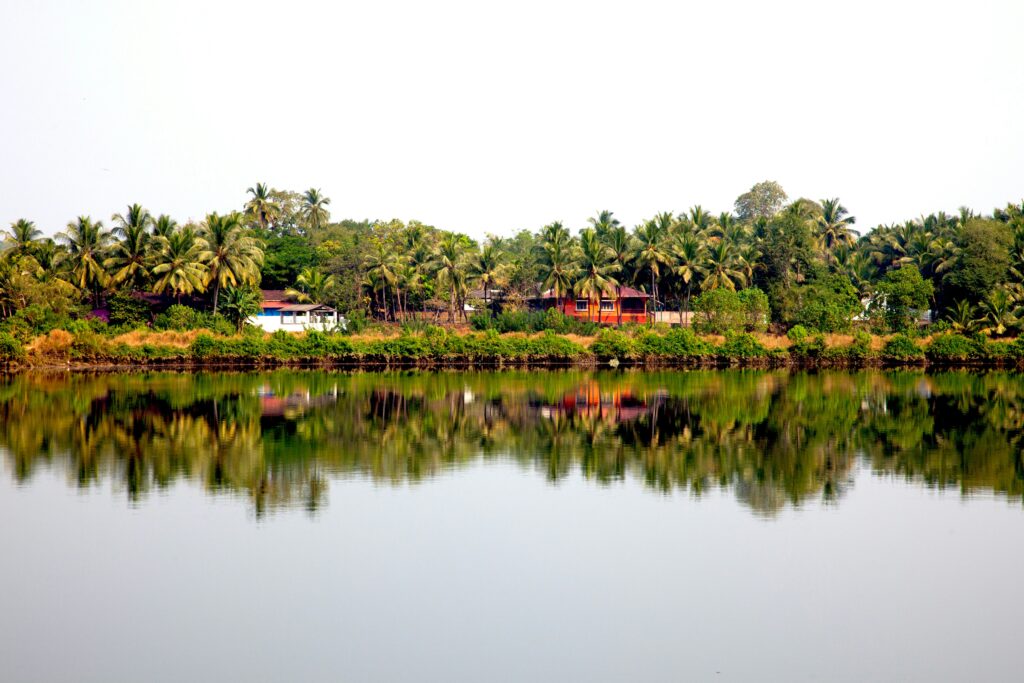
The Long-Term Appeal of Something Difficult to Replicate
A distinctive residential development derives much of its appeal from the combination of characteristics that make it difficult to reproduce.
A desirable location, a carefully considered land parcel, architectural identity, low-density planning and quality execution can collectively create a proposition that stands apart from conventional residential offerings.
Once a limited-inventory development is completed and its residences are individually owned, the original offering cannot simply be recreated within the same community. Its physical scale, architectural composition and residential character are already established.
This can contribute to its long-term desirability, particularly among buyers who look beyond immediate specifications when evaluating a property.
However, it is important to recognise that limited supply does not automatically translate into capital appreciation. Long-term value continues to depend on several factors, including the strength of the location, the quality of construction, ongoing maintenance, neighbourhood development and sustained buyer demand.
What scarcity can offer is differentiation. And in a market where many residential developments compete through increasingly similar amenities and specifications, a genuinely distinctive proposition can hold a different place in the minds of prospective homeowners.
The most compelling properties are often those whose defining qualities cannot be easily replicated.
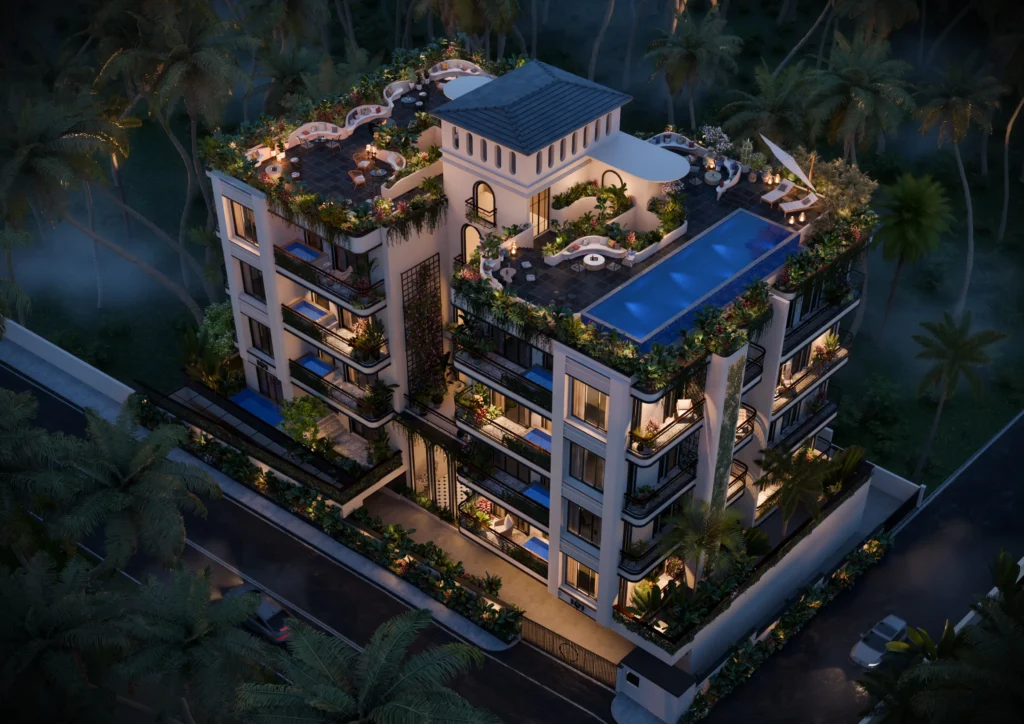
Vistaār: A Considered Expression of Limited-Supply Living
In Marna, Siolim, Vistaār by Vilāsa brings this philosophy into focus through a deliberately intimate residential format.
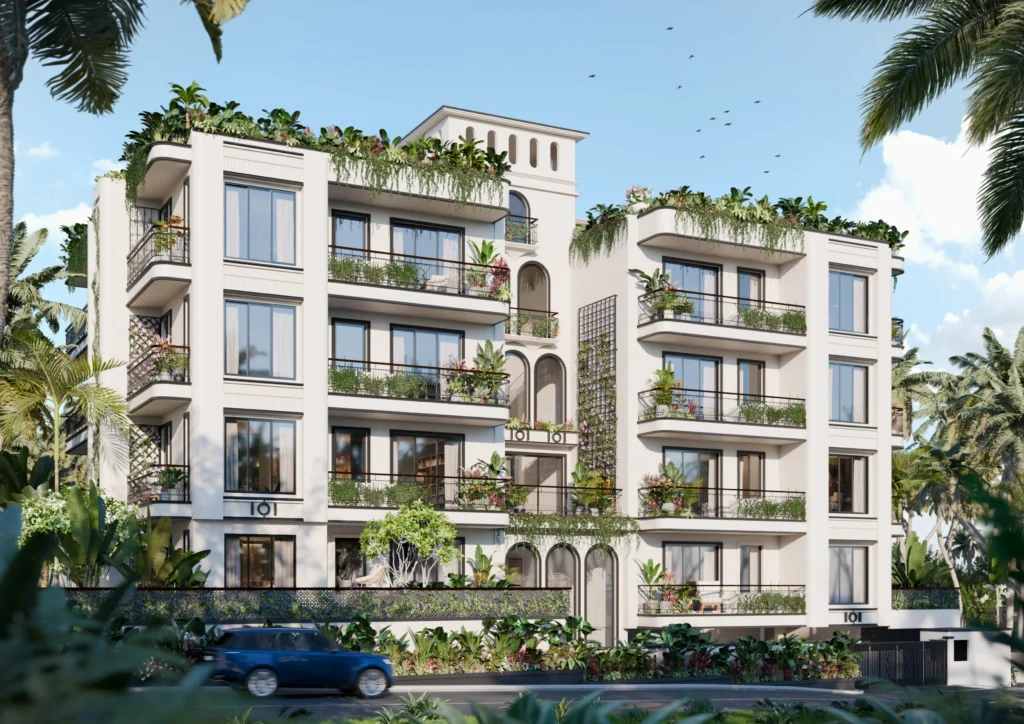
Conceived as an exclusive gated community of just 16 elevated residences, Vistaār moves away from the conventional approach of maximising residential inventory. Its limited scale forms an integral part of its identity, creating a more considered residential proposition within one of North Goa’s sought-after neighbourhoods.
Set within the green surroundings of Marna, the development brings together distinctive architecture, expansive residential spaces and an elevated perspective of the surrounding landscape.
The decision to limit the community to 16 residences reflects a different understanding of what makes a home desirable. Beyond individual interiors and amenities, it is the overall residential environment that shapes the experience of ownership.
For buyers considering a home in Goa, whether as a holiday residence or a longer-term lifestyle choice, this offers an appealing alternative to larger, higher-density developments.
Vistaār is an illustration of how exclusivity can be approached through planning and proportion rather than simply through positioning. A development where the number of residences is not an afterthought, but a defining part of the original vision.
The New Measure of Luxury: Rarity with a Reason
As the luxury residential market evolves, the definition of an exceptional home is becoming increasingly nuanced. Buyers are looking beyond the conventional markers of premium real estate to understand what genuinely distinguishes one development from another.
Location, architecture and amenities remain important. But so does the question of how a residential community has been conceived, how much space it offers its residents and whether its defining characteristics can be replicated elsewhere.
Scarcity, when supported by thoughtful development, brings these considerations together.
It is not simply about owning one of a limited number of residences. It is about recognising the value of a residential environment that has been deliberately designed around quality rather than quantity.
Because sometimes, the greatest expression of luxury is not having more of everything. It is having just enough, thoughtfully considered, in a place worth calling home.