

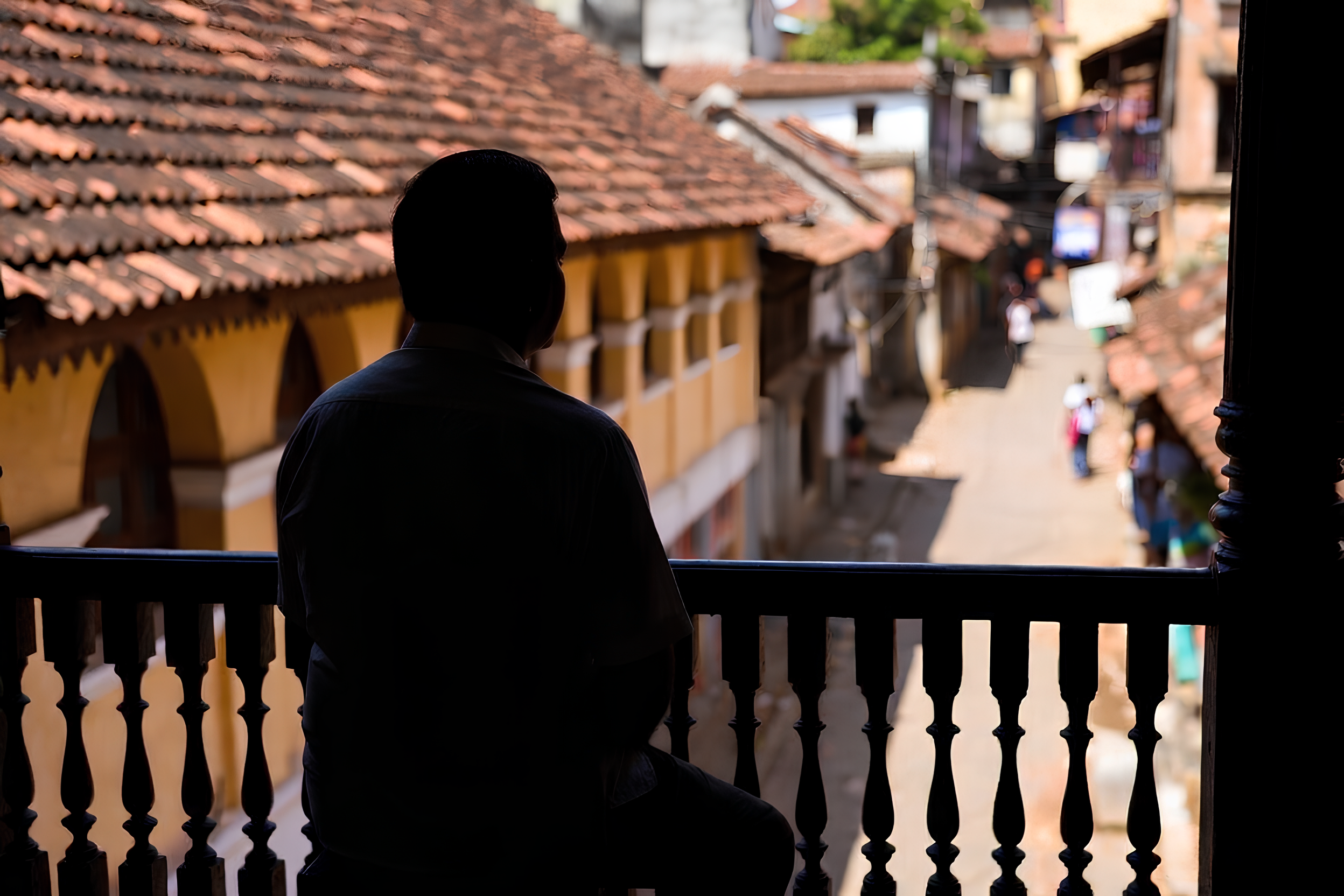
There is a specific, sybaritic quality to the light at four in the afternoon in certain corners of the world. In the Latin Quarter of Fontainhas, Panjim, it turns the ochre and indigo walls into a vivid, cinematic dreamscape. Simultaneously, thousands of miles away in a stone-paved courtyard in Puglia, Italy, the same sun mellows into a buttery haze that feels almost tactile. In both places, the world does not just slow down; it pauses, exhales, and pours itself a drink. We live in an era that worships the “hustle,” where calendars are weaponized and “free time” is often just an opportunity for a side quest in productivity. Yet, the Goans and the Italians have long held the secret to a more elegant existence – one that rejects the frantic in favor of the felt.
In Goa, they call it Susegado. In Italy, it is the legendary Dolce Far Niente. While these phrases are often dismissed by the uninitiated as mere “laziness,” they are, in fact, sophisticated philosophies of survival. They are a refusal to let the soul be hurried by the demands of the modern machine. Whether you are leaning against a carved teak balcão or a weathered Roman fountain, the message is the same: the most radical thing you can do in a fast world is absolutely nothing at all.

Defining the Spirit
To understand these concepts, one must strip away the modern mistranslations that have diluted their power. Susegado is often lazily equated with sloth, but its roots are far more poetic and grounded. Derived from the Portuguese sossegado, it translates literally to “quiet” or “tranquil.” However, in the Goan vernacular, it implies a state of being “settled” in one’s own skin. It is the quiet confidence of a fisherman who knows the tide will return regardless of his anxiety, the stillness of a palm grove at high noon, and the contentment of a life lived in the present tense. It is not about avoiding work; it is about the grace with which one occupies the spaces between the work.
Across the Mediterranean, Dolce Far Niente carries a similar, though perhaps more decadent, weight. “The sweetness of doing nothing” is not an admission of boredom or a lack of ambition. In fact, to the Italian mind, boredom is simply a failure of the imagination. Dolce far niente is the active, sensory enjoyment of idleness. It is the art of watching the condensation crawl down a glass of prosecco, observing the way the laundry dances on a line above a narrow Neapolitan street, or simply listening to the rhythm of a distant conversation. Both philosophies share a common enemy: the clock. In Goa and Italy, time is not a linear march toward a deadline; it is a circular, seasonal rhythm. To embrace these spirits is to acknowledge that joy is not a reward for productivity, but a fundamental right.
Architecture of Balcãos and Piazzas
Geography dictates destiny, but architecture dictates pace. In Goa, the soul of the home is the balcão – a wide, covered porch with built-in masonry seats that face the street. It is a masterpiece of social design that predates the modern concept of the “open plan.” The balcão is a liminal space, neither fully private nor entirely public. It is where one sits to watch the monsoon rain turn the world a neon green, or where one exchanges the afternoon’s gossip with a passing neighbor without ever having to leave the sanctuary of the home.
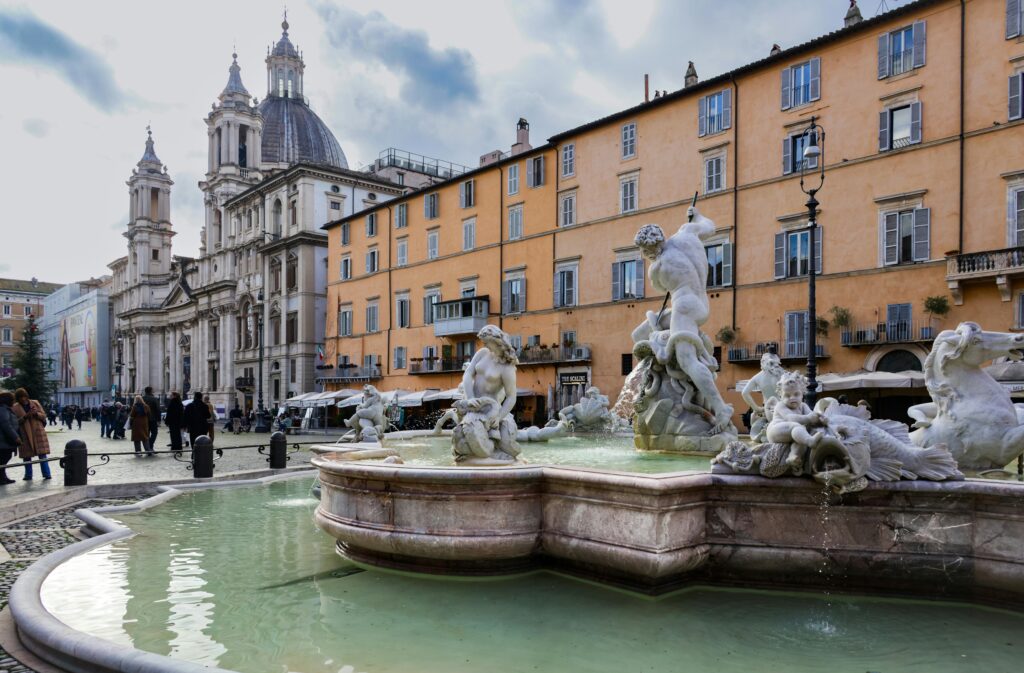
The aesthetics are intentionally evocative. Imagine oyster-shell windows that diffuse the harsh tropical sun into a pearlescent, dreamy glow, and red-oxide floors that feel cool against bare feet even in May. This is the physical manifestation of Susegado; it invites the world to slow down and sit a while. Contrast this with the Italian piazza or the private loggia. The Italian home, much like the Goan villa, is designed to breathe and to facilitate the “look.” The piazza is the nation’s living room – a grand, open-air theater where the only price of admission is the willingness to linger.
The architecture serves the art of observation. You sit in a wrought-iron chair, framed by baroque facades and the rhythmic splashing of a stone fountain, participating in the passeggiata – the evening stroll. In both cultures, the “indoors” is largely for sleeping, but “living” happens in these breezy, shaded conduits. Whether it is the shaded porticos of Bologna or the sprawling verandas of a colonial Goan mansion, the design intent is identical: to provide a stage for the sweetness of the void. These spaces are built for the breeze, for the conversation that has no point, and for the quiet observation of life’s small, beautiful textures.
Feni, Negronis, and Time
In the fast-paced West, food is often treated as fuel – a utilitarian necessity to be “optimized” or consumed over a laptop. In Goa and Italy, the table is a sacred site of temporal suspension. To eat is to engage in a ritual where the most important ingredient is time. The Goan lunch is a heavy, sensory affair. A proper prawn curry, rich with hand-pressed coconut milk and the sharp, citrusy tang of tefla berries, is not something to be rushed. It is a meal that demands an aftermath. This is where Susegado enters the digestive tract; the meal is followed by the non-negotiable siesta. Between two and four in the afternoon, the world simply shuts down. The shutters are drawn, the fans whir lazily, and the scent of wood-fired kitchens lingers in the humid air.
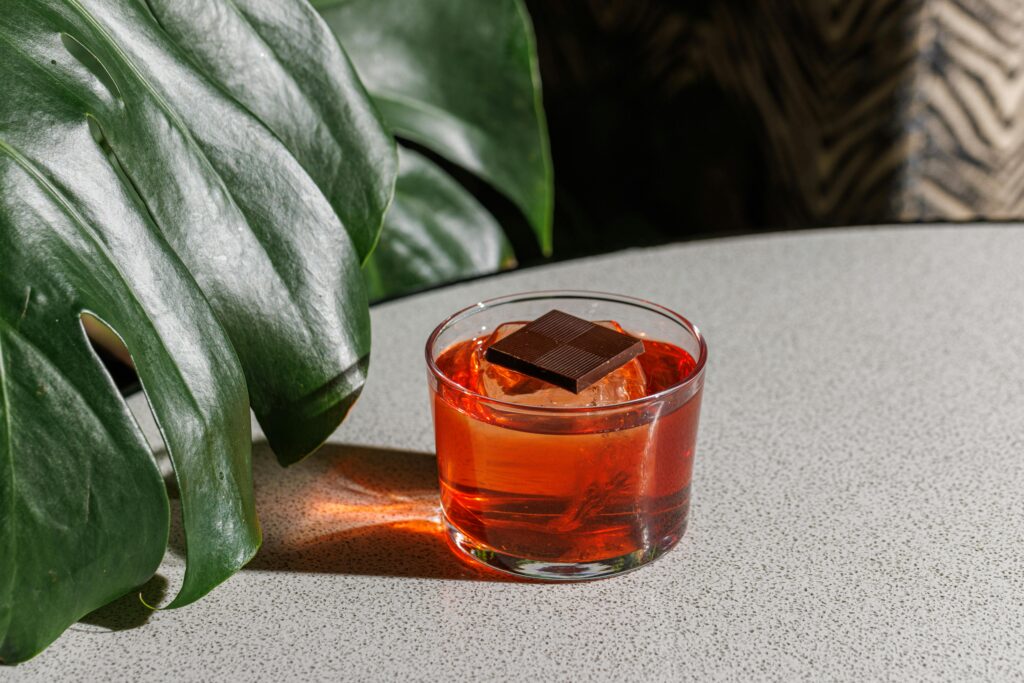
Then, there is Feni. Distilled from cashew apples or coconut sap, it is a potent, pungent spirit that belongs to the earth. To sip Feni is to accept that the rest of the day is spoken for. Italy counters this with the ritual of the Aperitivo. As the workday fades, the Negronis appear – jewel-toned, bitter, and bracing. The aperitivo is the bridge between the stress of the day and the sanctuary of the night. It is the ritual of Dolce Far Niente in liquid form. You nibble on olives and focaccia, not because you are hungry, but because the act of snacking slows the pace of the drink and extends the conversation.
In both lands, the refusal to rush the table is a political act of rebellion. It is an insistence that the pleasure of the palate – and the company kept – is far more valuable than whatever task awaits on a digital screen. Whether it is a long, salt-crusted lunch on the shores of Palolem or a candlelit dinner in a Florentine alley, the message remains clear: the table is where we reclaim our humanity.

A Shared Ancestry of Goa and Italy
There is a reason a Goan traveler feels an eerie, comforting sense of déjà vu when walking through a Sicilian village. The connection is more than just a shared love for the sun; it is woven into the very DNA of their history. The Portuguese presence in Goa for 450 years did more than leave behind whitewashed churches and a penchant for choriz; it infused the Konkan coast with a Mediterranean soul. This “Luso-Indian” identity is the bridge between the East and the Latin West.
You see it in the high-baroque altars of Old Goa, which mirror the theatricality and grandeur of Rome. You feel it in the communal celebration of feast days, where the village comes alive with brass bands, floral processions, and an almost pagan joy. Both cultures share a profound Catholic heritage that, ironically, fosters a deep appreciation for the earthly pleasures of the senses. There is also a shared theatricality to daily life.
In both Goa and Italy, life is meant to be seen and performed. There is a pride in the vernacular – the specific way a sarong is tied, the precise tilt of a straw hat, the passion with which a simple family recipe is defended against all “modern” variations. This shared ancestry has created a unique psychological landscape where the “good life” is not measured by an accumulation of wealth or titles, but by an accumulation of moments. It is a legacy of the Old World – a reminder that despite the digital borders we build, the human heart still beats to the same languid, sun-drenched rhythm.
How to Reclaim the ‘Slow’
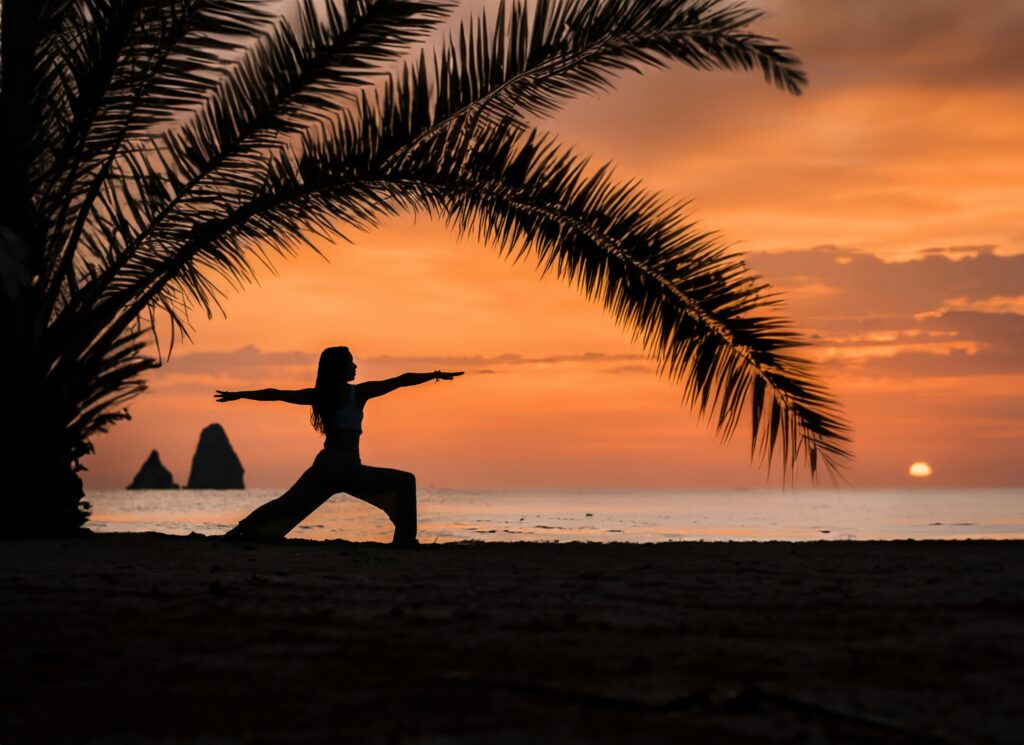
How do we, the residents of the “always-on” era, translate these ancient philosophies into our high-octane lives? It does not require a one-way ticket to Dabolim or Da Vinci’s birthplace. Reclaiming the “slow” is about a shift in perspective and the curation of one’s environment. It starts with what a designer might call “aesthetic intentionality.” Create a space in your home that is dedicated to nothing. No screens, no books, just a view and a comfortable chair.
It is about adopting the “Goan afternoon” – a deliberate disconnection from the digital grid to let the mind wander without a destination. Embrace the “Italian evening” – the refusal to multitask while you eat or drink. It is the luxury of focusing entirely on the bitterness of your coffee, the scent of the rain, or the texture of your linen sheets. Susegado and Dolce Far Niente are not goals to be achieved or items to be checked off a wellness list; they are practices to be inhabited. In a world that is constantly asking for more of you, the most elegant response you can give is to simply sit back, pour a glass of something cold, and let the world wait. The golden hour only lasts as long as you are willing to watch it.