
Introduction: The Shifting Status Symbol
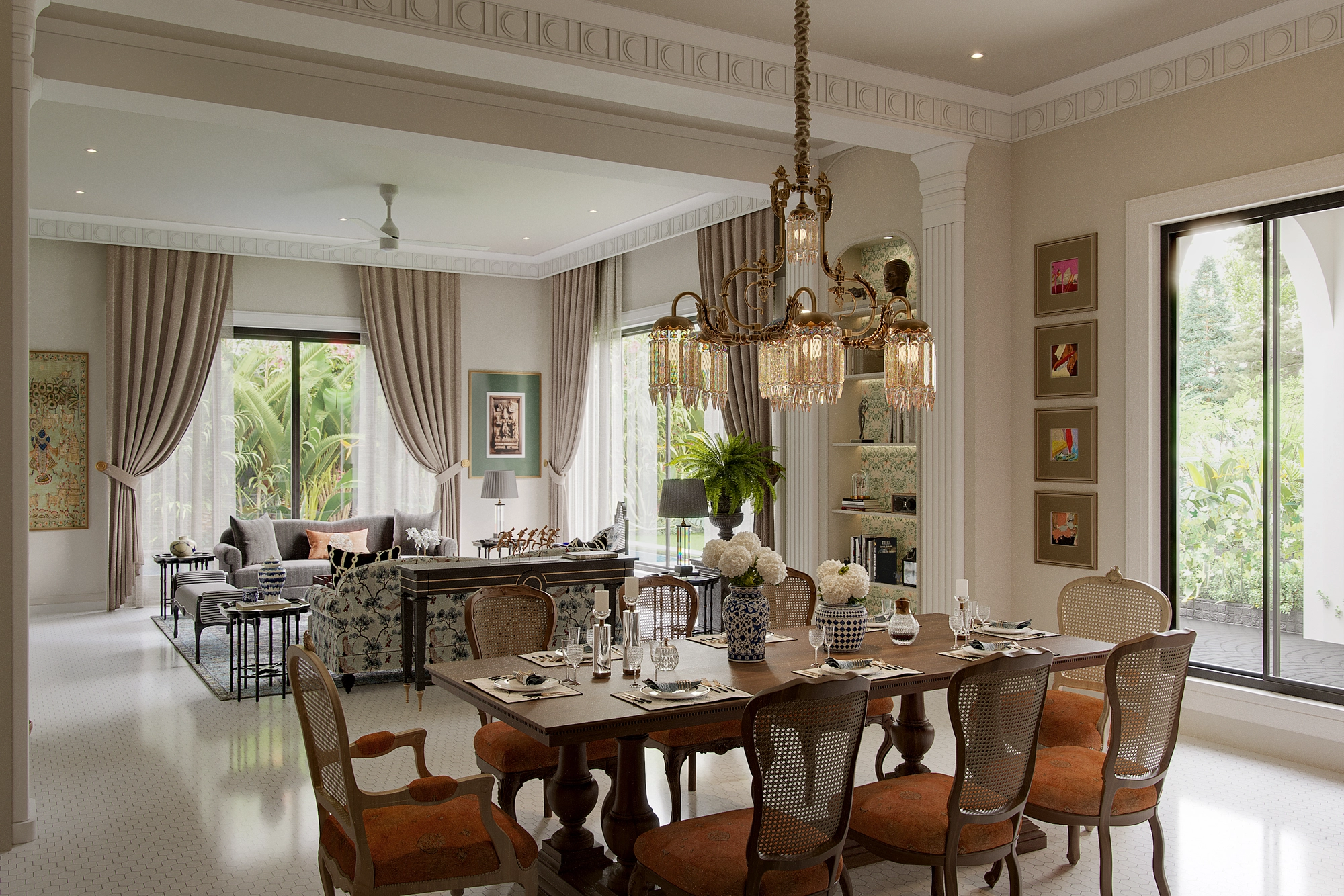
For years, the global language of luxury design has spoken in hushed tones. Minimalism, with its clean lines, muted palettes, and serene emptiness, became the unspoken dress code for the world’s elite. It was a symbol of sophisticated, worldly taste, a universally understood signal of refinement that was both beautiful and, above all, safe. To adopt this aesthetic was to join a global members’ club, demonstrating that you understood the quiet rules of modern luxury. For a long time, this was the undisputed status symbol: a home that was perfectly understated.
But a new generation of Indian leaders, founders, and creators is beginning to question this script. Their success wasn’t built on quiet conformity or by following established rules; it was forged through audacity, relentless innovation, and a bold, unapologetic vision. Their journeys have been vibrant, complex, and deeply personal. Why, then, should the primary symbol of their success, their home, be a silent, neutral space that erases all traces of that incredible journey?
This question is sparking a revolution in high-end design. A growing number of India’s most successful individuals are consciously rejecting the safety of minimalism for a style that better reflects their own narrative: maximalism. This is more than a mere aesthetic shift; it is a power move. It is a confident declaration that success no longer needs to whisper. It is a move from a borrowed global aesthetic to an owned personal and cultural identity, and it is fundamentally changing what a home of influence and achievement looks like.
The ‘Minimalist Fatigue’: When Taste Becomes a Gilded Cage
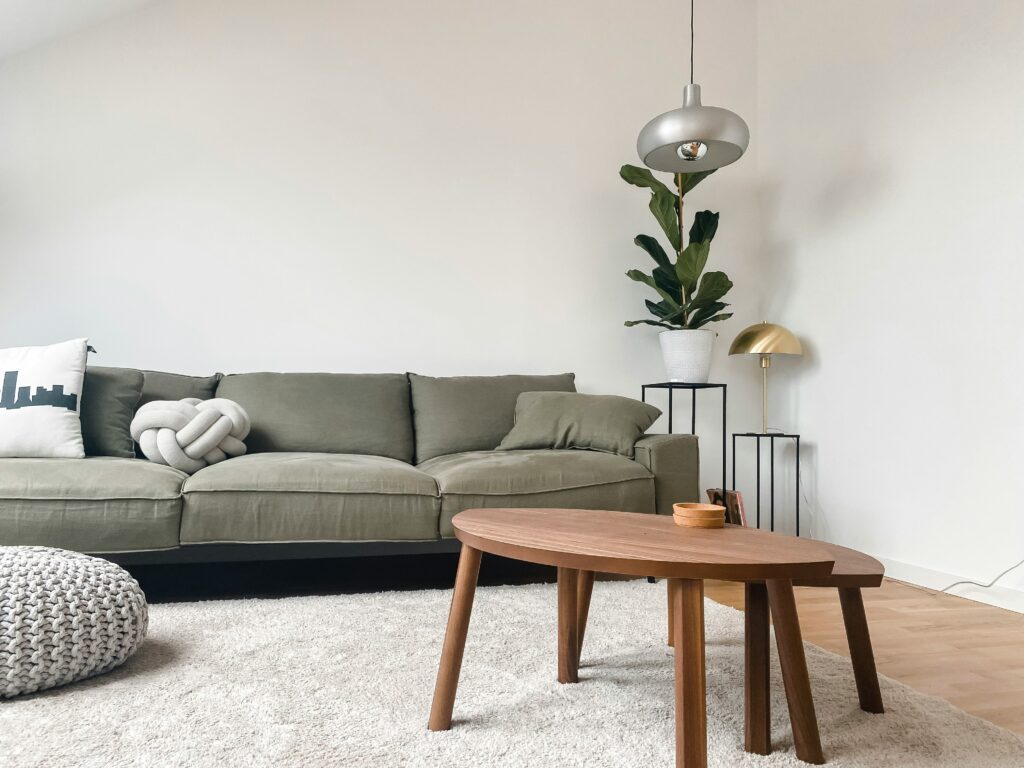
The move away from minimalism is not a critique of its inherent beauty, but rather a sign of a growing ‘minimalist fatigue’ among those who have lived with it. For many successful individuals, the aesthetic that once felt like a serene sanctuary has begun to feel more like a gilded cage. Its strict rules and emphasis on emptiness can become a form of tyranny, demanding that a vibrant, multifaceted life be edited, curated, and stored away to maintain a pristine, impersonal look. The result is a home that, while technically perfect, can feel strangely anonymous, reflecting the pages of a design catalogue more than the soul of the person who lives there. A profound sense of inauthenticity begins to set in.
This feeling is amplified by the inherent contradiction the style presents to a life of achievement. Consider the modern leader: their mind is a library of complex experiences, their passport is a testament to global exploration, and their life is a story of calculated risks and bold successes. To then return to a home that demands you erase all evidence of this rich, chaotic, and beautiful journey creates a deep psychological dissonance. It asks you to check your personality at the door. For a confident individual who has spent their career building something unique, the idea of living in a generic, interchangeable space becomes increasingly untenable. It is a philosophy that feels fundamentally at odds with a life that has been anything but minimal.
This personal dissatisfaction is happening within a much larger cultural shift. Across every industry, from personal branding to global business, authenticity has become the new currency. Today’s most respected leaders are celebrated for their unique voices, their willingness to share their stories, and their transparent values. It is only natural that this global trend towards authentic self-expression would finally reach our most personal space: the home. The home is the ultimate stage for our identity, and for the new face of success, that stage can no longer be a blank one.
Maximalism: The New Language of Confidence
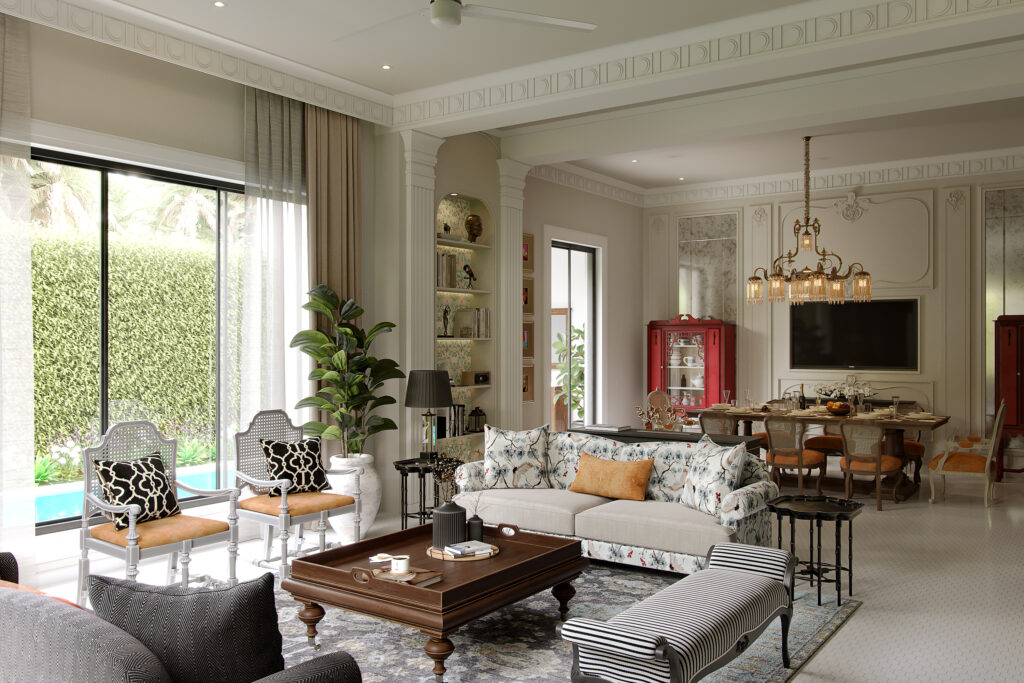
Into the void created by minimalist fatigue, a richer, more expressive philosophy has emerged as the new standard for a home of influence: maximalism. This is not simply the opposite of minimalism; it is an evolution beyond it. It is a graduation from the safety of universally accepted “good taste” into the far more powerful realm of authentic “personal taste.” For today’s leaders, it is a visual language that speaks of confidence, celebrates a rich heritage, and tells a compelling story of success.
A Declaration of Confidence
At its core, maximalism is a high-conviction design choice. While minimalism is aesthetically pleasing, it is also inherently safe; it is difficult to get wrong. Maximalism, in contrast, is an art form. It requires a discerning, curatorial eye and the courage to make bold, unapologetic choices. It is about trusting your own narrative and having the confidence to display your life’s passions and history. This is precisely what appeals to the modern leader. Their career has been defined by making high-conviction decisions, not by following the crowd. A maximalist home is a direct reflection of this mindset. It is a space that confidently says, “This is who I am, this is what I love, and I have a strong point of view.” It is the very antithesis of hiding behind a safe, neutral facade.
A Celebration of Heritage and Identity
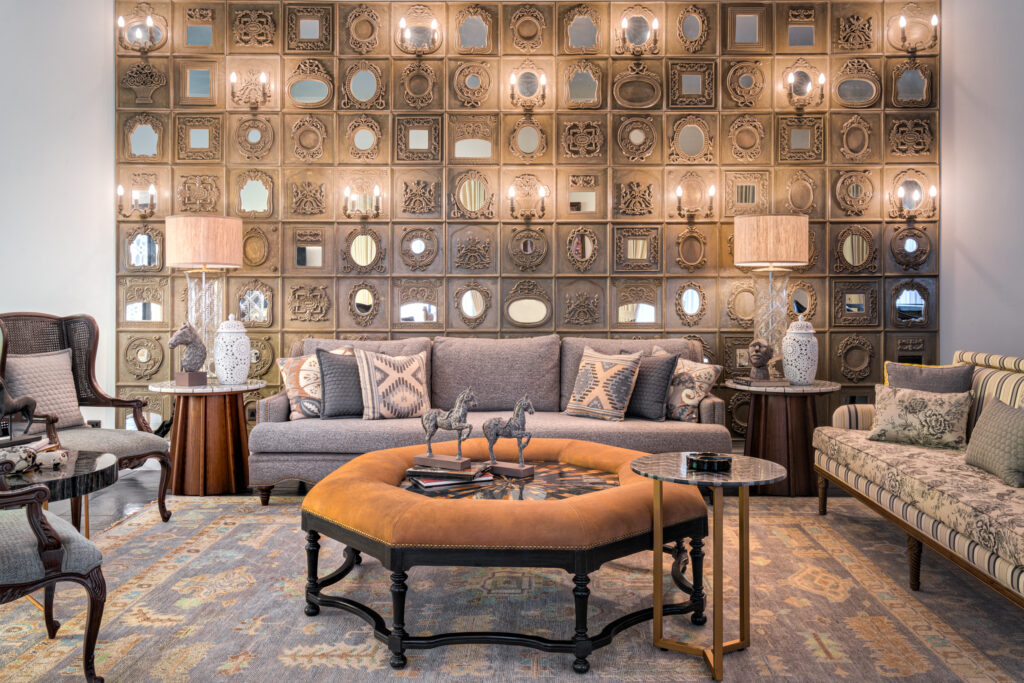
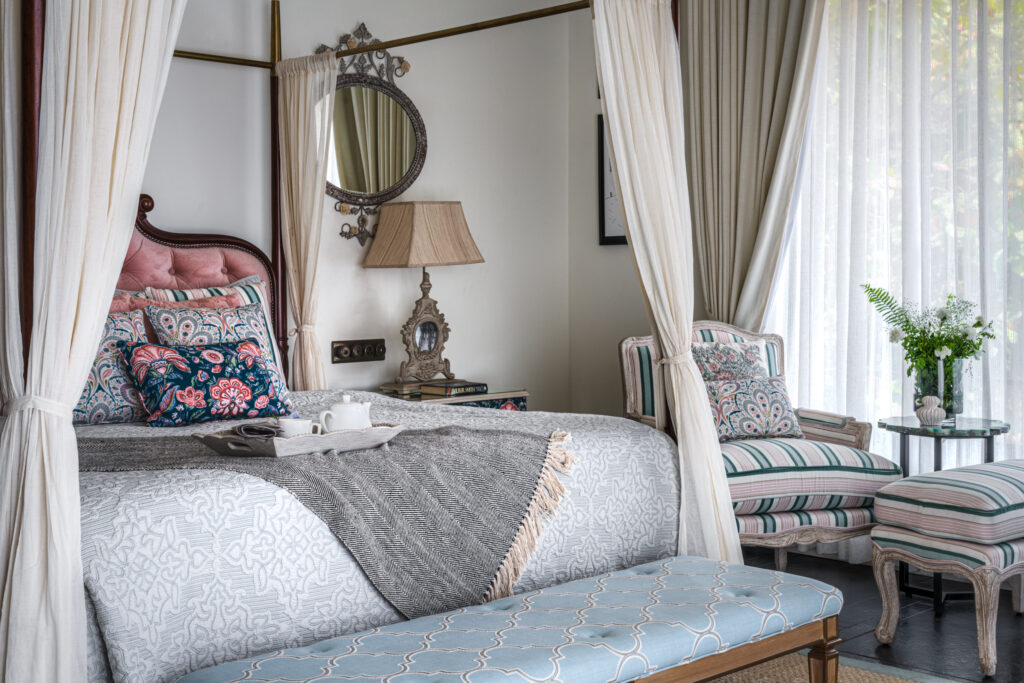
For many global Indian leaders, the neutral aesthetic of minimalism can feel like a subtle erasure of cultural identity. Indian-Flavoured Maximalism offers a powerful and sophisticated way to reclaim and celebrate that heritage in a contemporary context. This is not about creating a pastiche of “ethnic” decor. Instead, it is about thoughtfully integrating the unparalleled richness of Indian craftsmanship into a world-class home. It is about commissioning a hand-carved jaali screen, upholstering a modern Italian sofa in rich Banarasi silk, or making a contemporary Indian artist the focal point of a room. It is a proud declaration of identity, a way to build a home that is both globally sophisticated and deeply, authentically Indian.
A Living Story of Success
If a minimalist home is a blank page, then a maximalist home is a richly illustrated, published autobiography. It is a dynamic environment where every object and surface contributes to the owner’s unique narrative. The art on the walls may recall a successful business venture; the textiles sourced from a recent trip to Rajasthan tell a story of exploration; a collection of antique maps might chart a journey of global ambition. The home transforms from a static shelter into a living testament to a life of achievement, curiosity, and passion. It becomes the most personal and powerful statement of success one can possibly make.
Vilāsa: The Architecture of Achievement
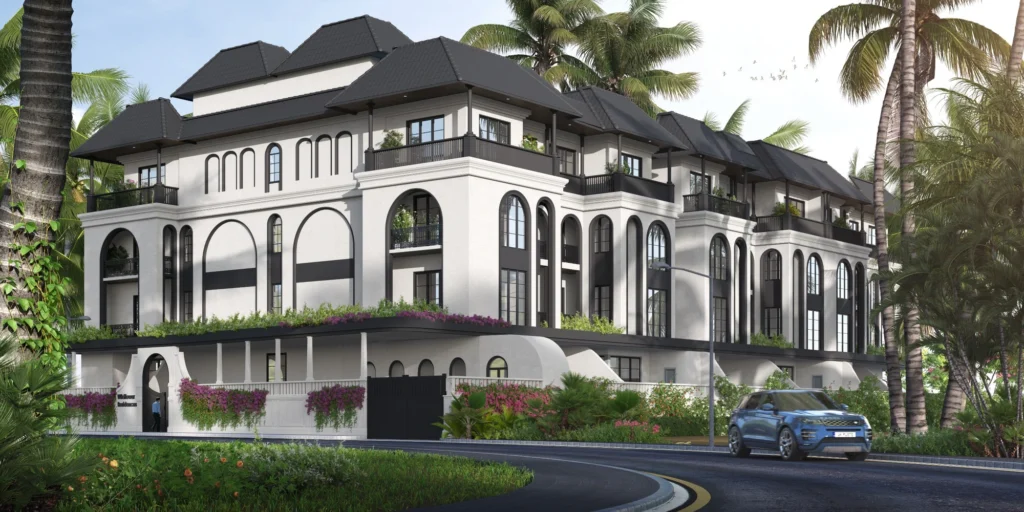
A bold personal vision requires a worthy stage. For the leader embracing a maximalist identity, the home itself cannot be a timid, conventional space; it demands an architectural foundation of equal confidence and grandeur. This is where a Vilasa residence distinguishes itself. We don’t just understand this psychological shift away from minimalism; we have anticipated it. Our homes are expressly designed to be the perfect platforms for a rich, expressive, and deeply personal life.
The very architecture of a Vilasa home is conceived to empower a maximalist vision. We design soaring double-height ceilings not merely for a sense of volume, but to create private, gallery-like walls ready to display the large-format art and personal collections that tell a story of success. We integrate vast panels of floor-to-ceiling glass not just for light, but to connect a rich interior life with the world outside, mirroring the global perspective of our clients. This is the architecture of achievement: a framework of strength, scale, and light that provides a fitting canvas for a life that is anything but ordinary.
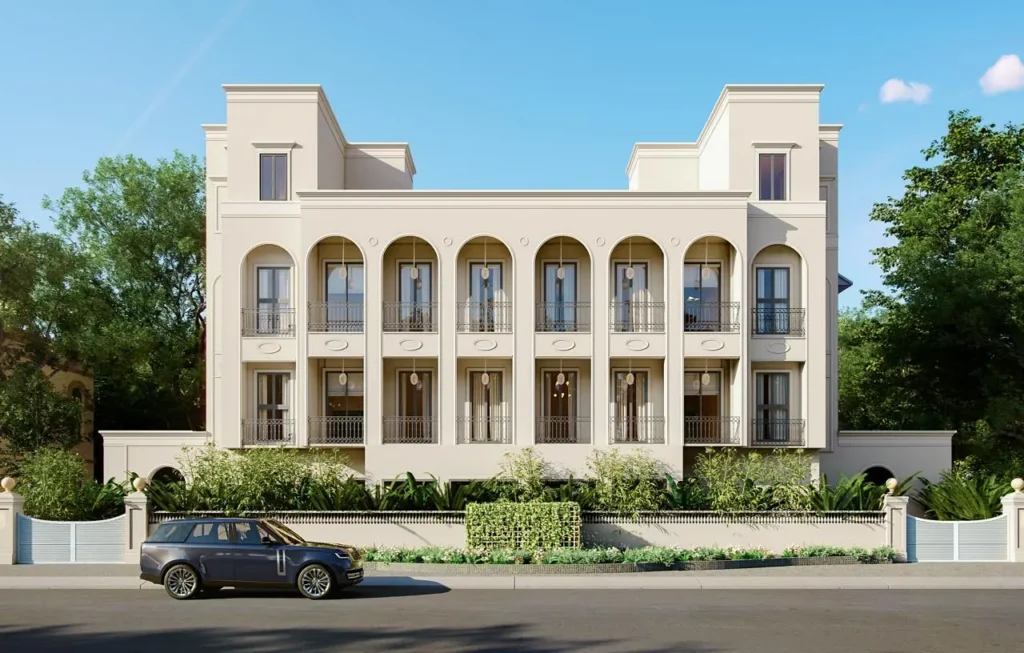
Furthermore, we believe that luxury should be inherent, not applied as an afterthought. A Vilasa residence comes pre-equipped with the raw materials of opulence. The imported marble, the premium international fittings, and the meticulously crafted finishes are all part of our standard offering. This saves the discerning owner from the arduous task of retrofitting luxury onto a plain, minimalist box. A Vilasa home is born luxurious, providing the perfect, high-quality palette upon which a leader can layer their personal story of success. It is the definitive turnkey solution for those who have rejected the anonymity of minimalism and demand a home that is as expressive and unapologetically confident as they are.
Conclusion: Your Home, Your Signature
In the landscape of modern luxury, the ultimate status symbol has evolved. It is no longer about quiet conformity, but about bold, unapologetic authenticity. The era of the anonymous, beige showroom is giving way to a new age of personal expression, where our homes are becoming the most powerful testaments to our unique journeys, rich heritage, and individual success. Your home, therefore, should be your signature: an unmistakable mark that tells the world who you are, where you’ve been, and what you value. It is about crafting a legacy, not just an interior, a confident statement that Vilasa empowers you to make.